Wondering where to plant roots in Ladysmith? Choosing a neighborhood here is really about the lifestyle you want, from walkable in-town blocks to quiet river bends and wide-open acreage. You want a clear picture of day-to-day life, costs, and what to check before you buy. This guide walks you through the main areas, what homes look like in each, and the practical steps that make your choice easier. Let’s dive in.
Quick orientation to Ladysmith living
Ladysmith is the county seat of Rusk County and serves as a small, friendly hub for a wider rural area. You’ll find a compact downtown, nearby residential blocks, and easy access to farms, forests, and waterways.
Life here runs on four seasons. Summer brings boating and fishing, fall shows off the woods, and winter is all about snowmobiling and ice fishing. Seasonal shifts can change traffic, rental demand, and business hours, so it helps to picture how you want to use your home throughout the year.
You can choose a walkable in-town lifestyle, river-adjacent living focused on recreation, a newer subdivision feel on the edges, or larger parcels outside city limits. Each option comes with its own rhythm, utilities, and upkeep.
Neighborhood types at a glance
Below are the most common neighborhood types you’ll see in and around Ladysmith. Think of these as lifestyle zones rather than strict boundaries.
Downtown and in-town grid
The in-town grid centers on the primary commercial corridor with shops, services, and municipal buildings. Homes range from historic Victorians and bungalows to Craftsman styles and small duplexes. Sidewalks and curbside services are more common here, and many blocks connect easily to schools, parks, and errands.
- Who it’s for: You want short drives, walkable errands, and a close-knit feel.
- Typical tradeoffs: Older homes may need updates to plumbing, electric, or roofs. You may notice more parking or street activity near commercial streets.
River-adjacent pockets
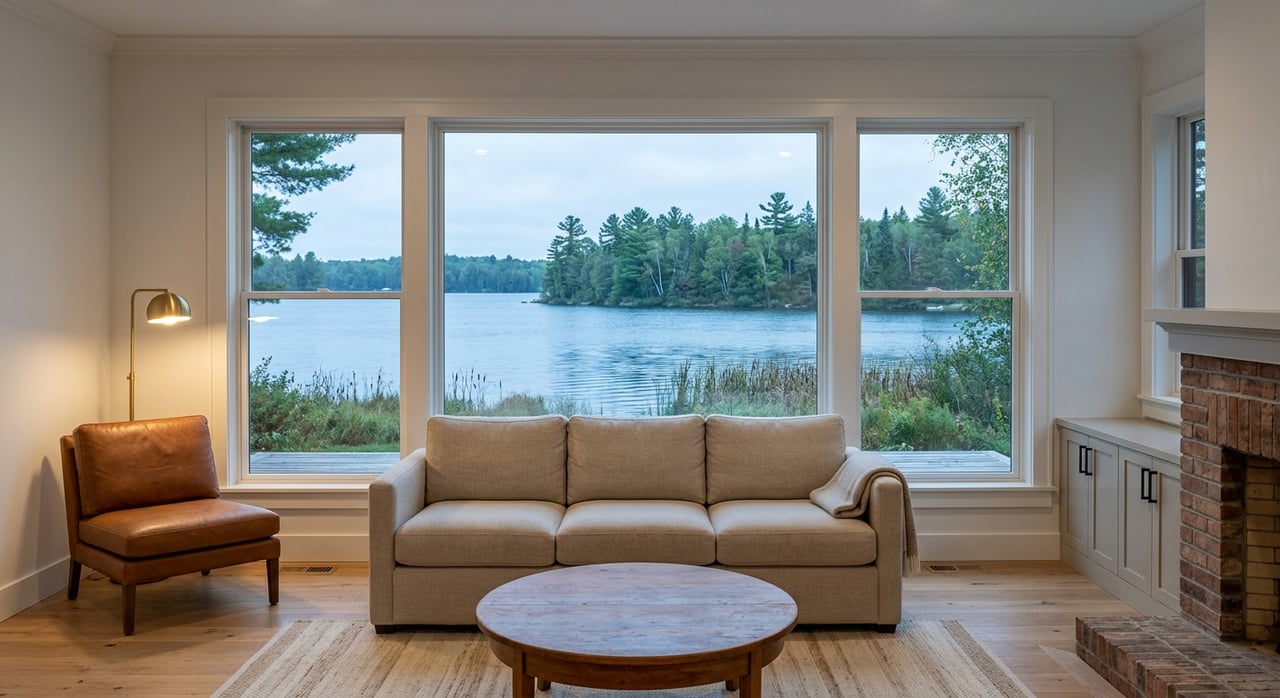
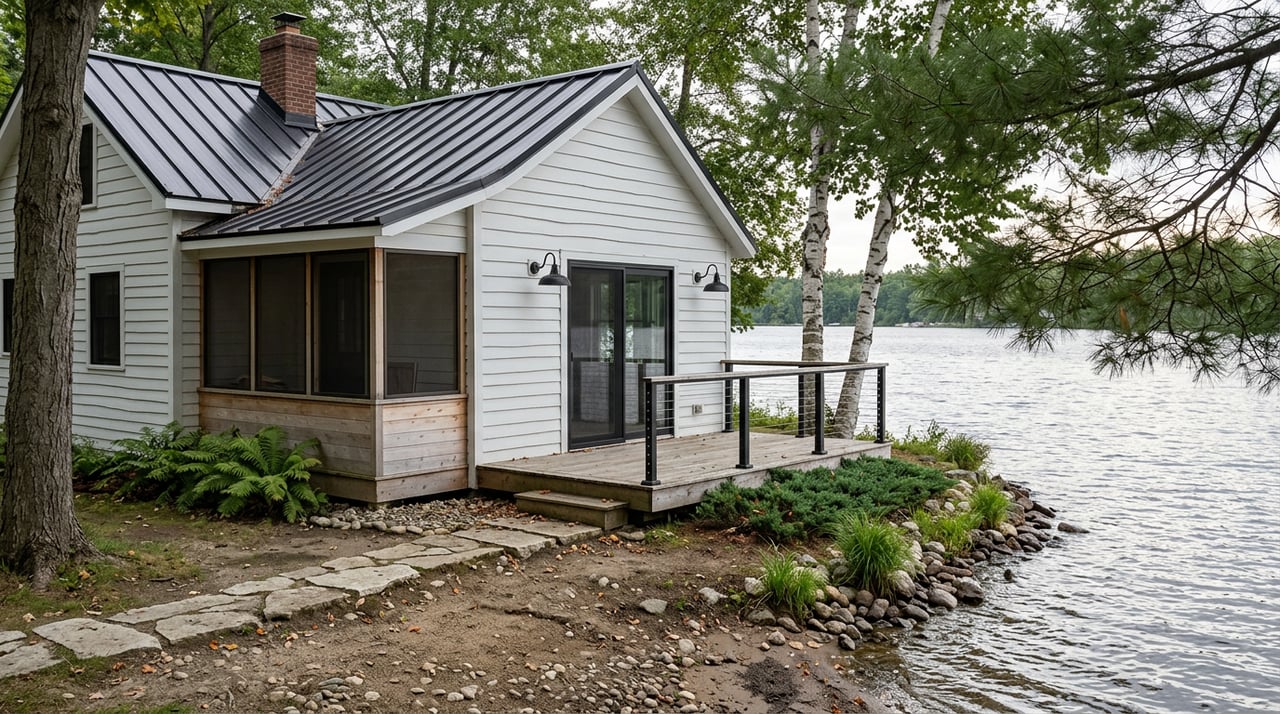
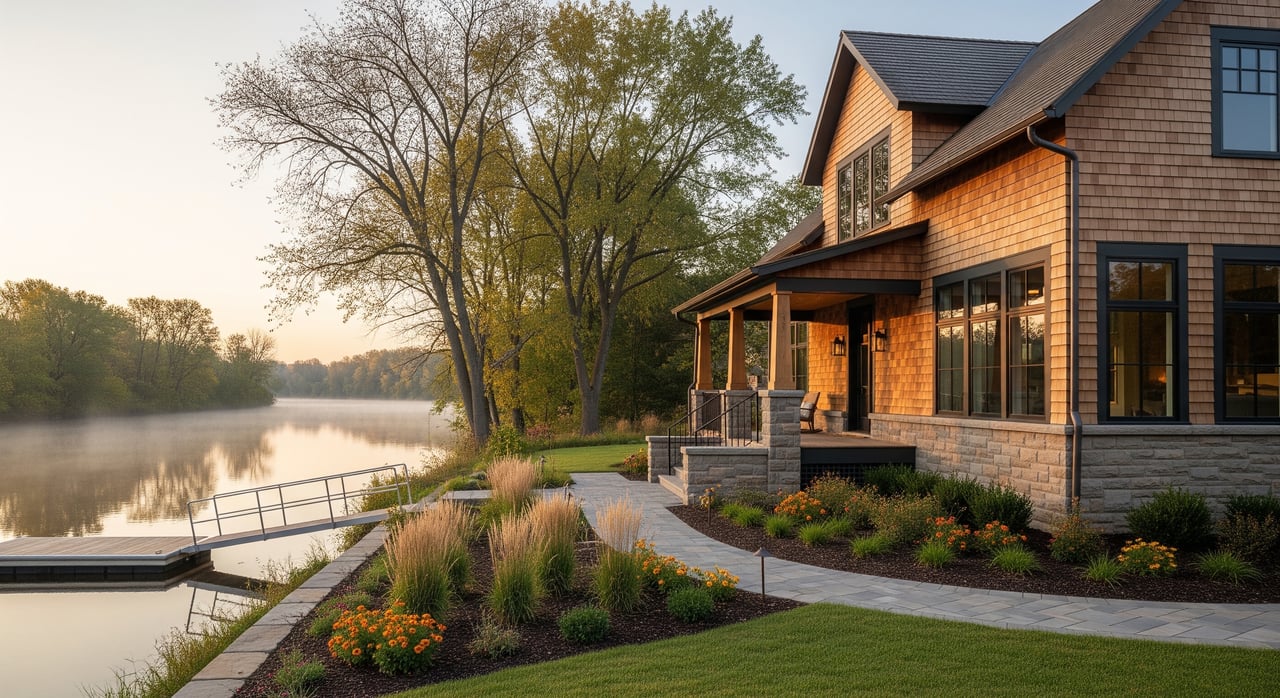
Homes near the river highlight views, boat access, and nature. You’ll see year-round houses mixed with seasonal cottages and some newer builds oriented to the water. Lot depths can vary, and some addresses sit within mapped flood zones.
- Who it’s for: You prioritize fishing, boating, and morning coffee with a view.
- Typical tradeoffs: Check floodplain status and insurance needs, and learn local shoreline rules for docks and vegetation.
Residential corridors and newer subdivisions
On the edges of the historic grid, you’ll find mid-century ranches, split-levels, and newer homes with garages and modest yards. Some areas remain on municipal water and sewer, while outer edges can include larger lots and different utility setups.
- Who it’s for: You want modern floor plans and a little more yard without living far from schools and services.
- Typical tradeoffs: Lot sizes vary and rules for outbuildings may differ by zoning.
Manufactured home communities
You may find smaller parks and clusters of manufactured homes in and near town. These areas can offer more budget-friendly options and sometimes involve park rules or lot leases.
- Who it’s for: You’re budget-conscious or prefer a lower-maintenance setup.
- Typical tradeoffs: Confirm utility arrangements, park guidelines, and any lease terms before you commit.
Rural acreage and hobby farms
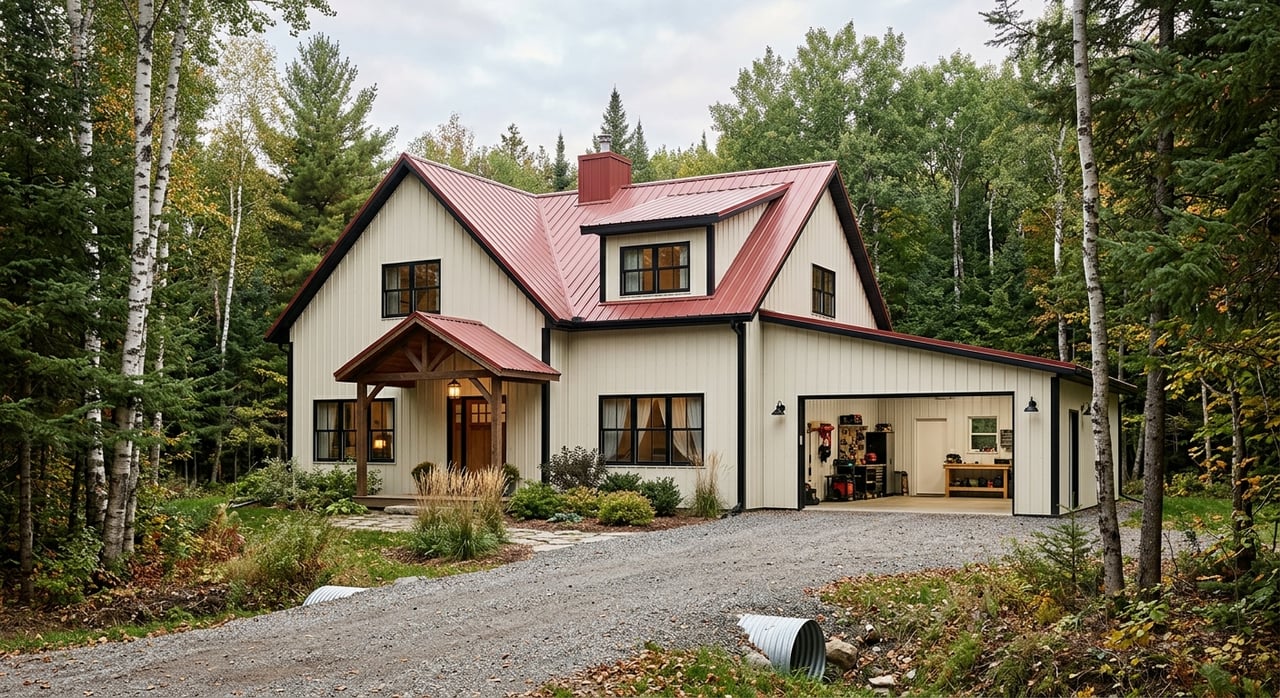
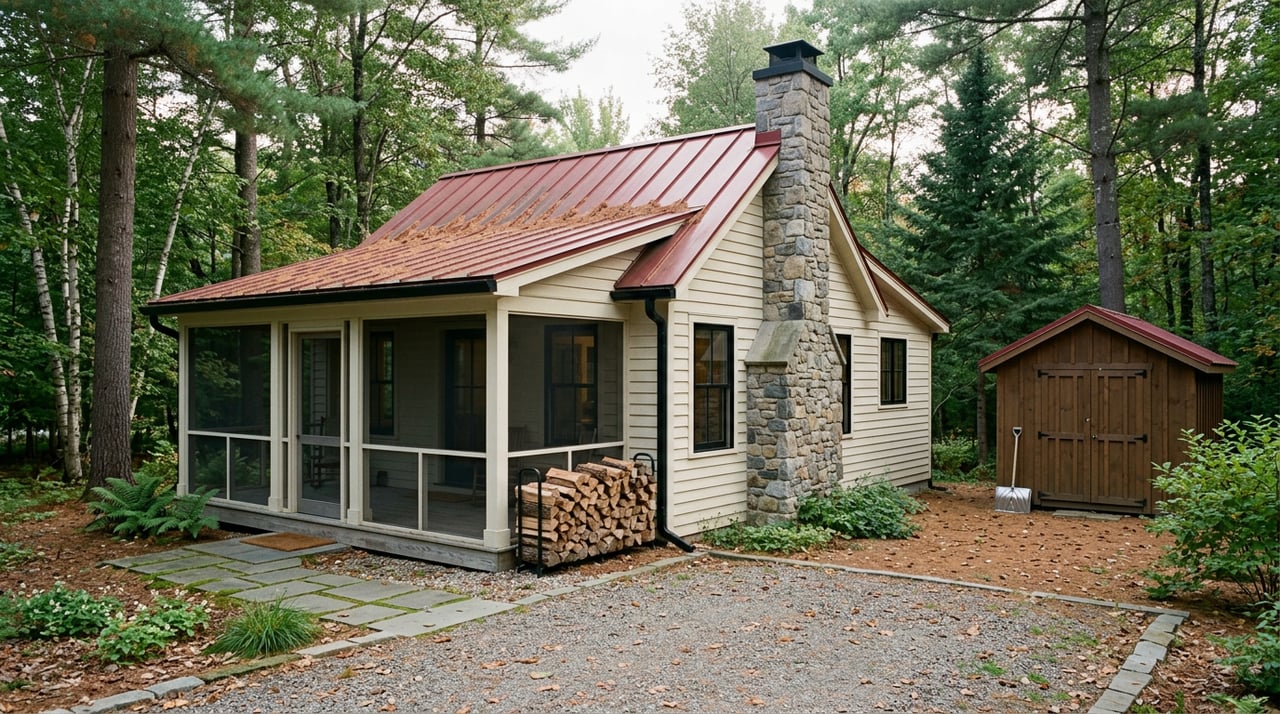
Outside the city limits, you’ll see farmhouses, cabins, and custom homes on acreage. Expect private wells and septic systems, outbuildings, and a mix of agricultural and wooded parcels. Heat sources often include propane, fuel oil, electric, or wood.
- Who it’s for: You want privacy, storage for equipment, space for animals, and direct access to outdoor recreation.
- Typical tradeoffs: Plan for driveway maintenance and winter access, and confirm zoning, setbacks, and any trail easements.
Home styles and lots you’ll see
Ladysmith’s housing stock is diverse. In-town you’ll spot older homes with character, including vernacular Victorian, bungalow, and Craftsman styles. Mid-century ranches and split-levels are common, and you’ll find modular or manufactured options in several areas. Newer builds appear on the edges of town and in rural settings.
Lot sizes vary by area. In-town lots are narrower with modest backyards. Edge-of-town addresses tend to offer medium-sized lots, sometimes up to a few acres. Rural parcels can range from a few acres to much larger tracts. Renovation levels vary widely, so plan to review systems like plumbing, electrical, and HVAC as part of your due diligence.
Commuting and daily logistics
Most residents drive. Public transit is limited, and school bus routes vary by location. Primary highways and county roads connect you to nearby towns and regional centers. Winter maintenance is part of life here, and seasonal recreation can influence traffic patterns.
If you work remotely, confirm broadband options at each property. Service can differ block by block in rural areas. Cell coverage also varies, so it helps to verify your provider at the specific address.
What to research before you tour
Use this quick checklist to stay focused and avoid surprises:
Utilities and services
- Confirm municipal water and sewer vs. private well and septic.
- Identify heating fuel type and age of the furnace. Ask for service records.
- Verify trash, recycling, and sidewalk or curb responsibilities.
Floodplain and shoreline
- For river-adjacent homes, check whether the property sits in a mapped flood zone.
- Ask about shoreline rules for docks, vegetation, and setbacks.
Roads and winter access
- Confirm who plows and maintains the road and driveway.
- Review driveway length, slope, and storage space for snow.
Internet and cell coverage
- Check multiple providers and confirm speeds at the address.
- Ask the seller which provider they use and whether service is reliable.
Schools and transportation
- Confirm district boundaries and bus routes with the district.
- Review neutral, public data sources for enrollment and programs.
Taxes and insurance
- Review recent tax assessments and mill rates.
- Ask your insurance agent to quote premiums, especially for properties near the river.
Zoning and land use
- Confirm the zoning designation and permitted uses.
- For rural parcels, review setbacks, outbuilding rules, and any easements.
Environmental and health checks
- For wells, schedule water testing; for septic, plan an inspection.
- Identify wetlands or special assessments that may affect use or value.
How to narrow your search
Start with your daily routine. Do you want to walk to shops and community events, or wake up to wildlife on acreage? List your must-haves, like garage space, a workshop, a split-bedroom layout, or direct river access. Then weigh the tradeoffs.
- If walkability matters most: Focus on the in-town grid near the commercial corridor and city services.
- If water access is the dream: Explore river-adjacent streets and confirm floodplain details early.
- If you need a modern layout and garage: Look at edge-of-town corridors and newer subdivisions.
- If privacy and storage come first: Search rural parcels with well and septic, and plan for winter access.
- If affordability is key: Consider manufactured home communities and smaller in-town homes that may need updates.
Visit at different times of day and, if possible, in different seasons. A street that feels quiet on a weekday afternoon can look different on a summer weekend, and winter conditions can change how you use driveways and roads.
Smart next steps
- Drive each area and note curb appeal, street width, and parking patterns.
- Walk nearby parks, boat launches, and trails to understand access.
- For river-area homes, review flood mapping, insurance quotes, and shoreline rules early.
- Confirm utilities, heating fuel, and broadband providers at the address level.
- Call city or county zoning with parcel numbers to verify permitted uses and any restrictions.
- If you are considering acreage, schedule well water testing and a septic inspection.
- Watch the local MLS feed for new listings and recent sales to gauge renovation levels and days on market.
When you are ready for a focused search, connect with a local guide who knows the micro-markets and seasonal nuances. With small-town service and big-brokerage reach, Shannon Hantke will walk you through neighborhoods, utilities, and due diligence so you can move forward with confidence.
FAQs
What are the most walkable areas in Ladysmith?
- The in-town grid near the main commercial corridor typically offers sidewalks, shorter drives to services, and easy access to shops and municipal buildings.
How can I tell if a river-area home needs flood insurance?
- Review federal flood maps for the specific address, verify with your insurer, and confirm any local floodplain zoning before you make an offer.
What heating and utilities should I expect in winter?
- Many homes use propane, fuel oil, electric, or wood heat; confirm fuel type, furnace age, and service records, and check whether the property has municipal utilities or private well and septic.
Where can I find more land and privacy near Ladysmith?
- Look at rural parcels outside city limits and edge-of-town areas that allow larger lots, then verify zoning, setbacks, and road maintenance responsibilities.
How reliable is internet and cell service outside town?
- Coverage varies by provider and location; check multiple providers at the address and ask the seller which service they use and what speeds they see.
Are short-term rentals allowed in the area?
- Policies differ by city and county; confirm licensing and zoning requirements with local officials for the specific property before you proceed.
How should I factor schools into my neighborhood choice?
- Review public, neutral data on district boundaries and programs, confirm bus routes, and choose the location that best fits your daily routine and commute.
What should I know about wells and septics on acreage?
- Plan a well water test and a septic inspection, and review records for system age, maintenance, and any permits or upgrades on file.