Wondering how to sell a lakefront home in Holcombe without leaving money on the table or getting tripped up by shoreline rules? You are not alone. Selling on the Holcombe Flowage is different from selling a typical house, and the right plan can help you price smarter, market the property better, and answer buyer questions with confidence. Let’s dive in.
Why Holcombe lakefront is different
Lakefront property in Holcombe sits in a niche market, not a one-size-fits-all market. The Town of Lake Holcombe identifies the Holcombe Flowage as part of its western boundary, tied to the Chippewa River system and extending east toward the Jump River, which helps shape the area’s recreation appeal and shoreline character.
That matters when you sell because buyers are not just comparing bedroom counts or square footage. They are also looking at how the shoreline works, how easy it is to access the water, and how the property fits the Northwoods lifestyle they want.
Current market data also point to a specialized waterfront segment. On Redfin’s Holcombe waterfront page, there are 7 waterfront homes with a median list price of $310,000 and a median 162 days on market, while broader Chippewa County figures show different pricing and marketing timelines. That is a strong sign that your home should be priced from waterfront-specific comps and property details, not county averages alone.
Price your home by waterfront realities
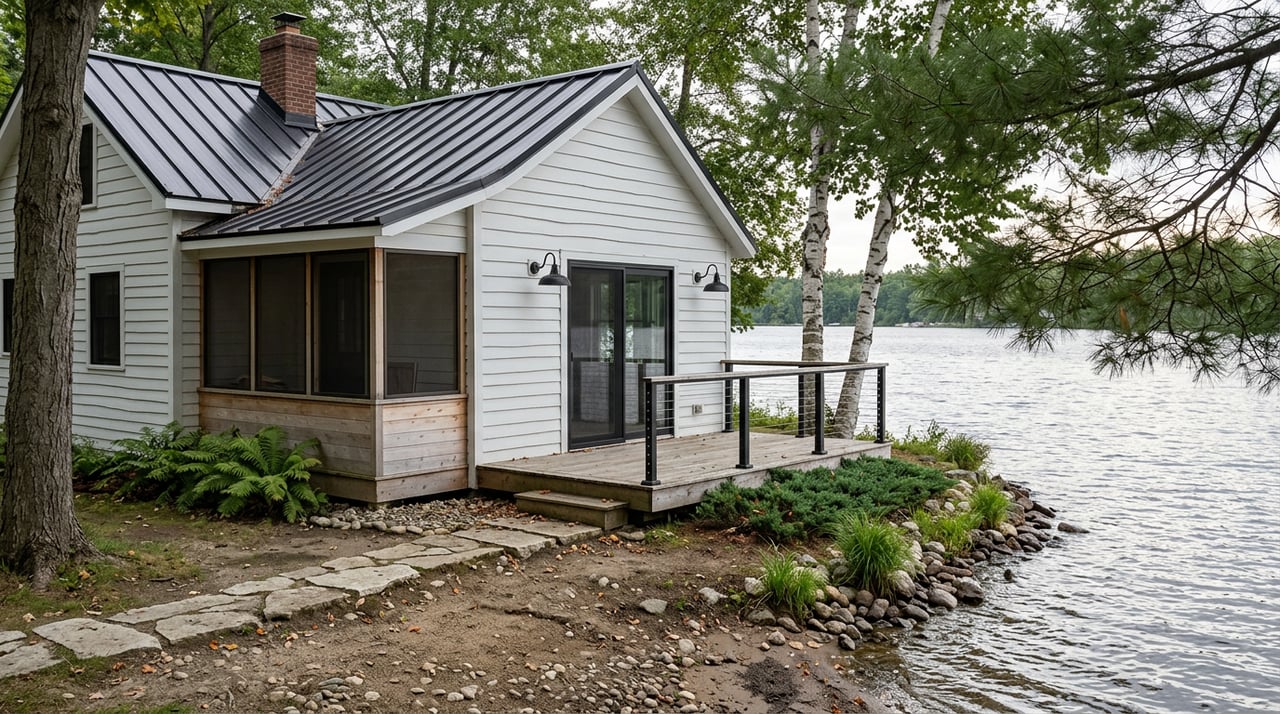
A lakefront home’s value often comes down to usability as much as condition. In Holcombe, current waterfront listings often highlight features like gentle slope to the water, quiet bay settings, owned waterfrontage, walkout patios, updates, and access to local recreation and services. Based on that listing language, buyers appear to be placing real value on convenience and how easy the property is to enjoy.
That means your pricing strategy should look beyond the interior. A realistic list price should account for:
- Shoreline usability
- Ease of water access
- Dock or pier setup
- Vegetation and setback limits
- Septic and well condition
- Recent maintenance and updates
- Outdoor living areas and views
Because the local data is thin, early pricing guidance is especially important. In a small waterfront market, overpricing can cost you time, and long days on market can make buyers wonder what is wrong even when the property is solid.
Focus on features buyers actually notice
When buyers shop for waterfront property, they are often picturing daily use. They want to know how easy it is to get down to the water, whether the setting feels private or calm, and how the home supports weekends or full-time living.
In Holcombe, listing language suggests buyers pay close attention to practical waterfront features. Low elevation, quiet bays, recent updates, and access to restaurants, golf, gas, and ATV/UTV trails all show up often in current listings. That tells you your marketing should clearly explain how the property functions, not just what it has.
Waterfront features to highlight
If they apply to your property, these details may deserve special attention in your listing and photos:
- Gentle or low-slope access to the water
- Clear paths from the home to the shoreline
- Owned waterfrontage
- Walkout lower levels or patios
- Updated windows, siding, roofing, or interiors
- Space for entertaining outdoors
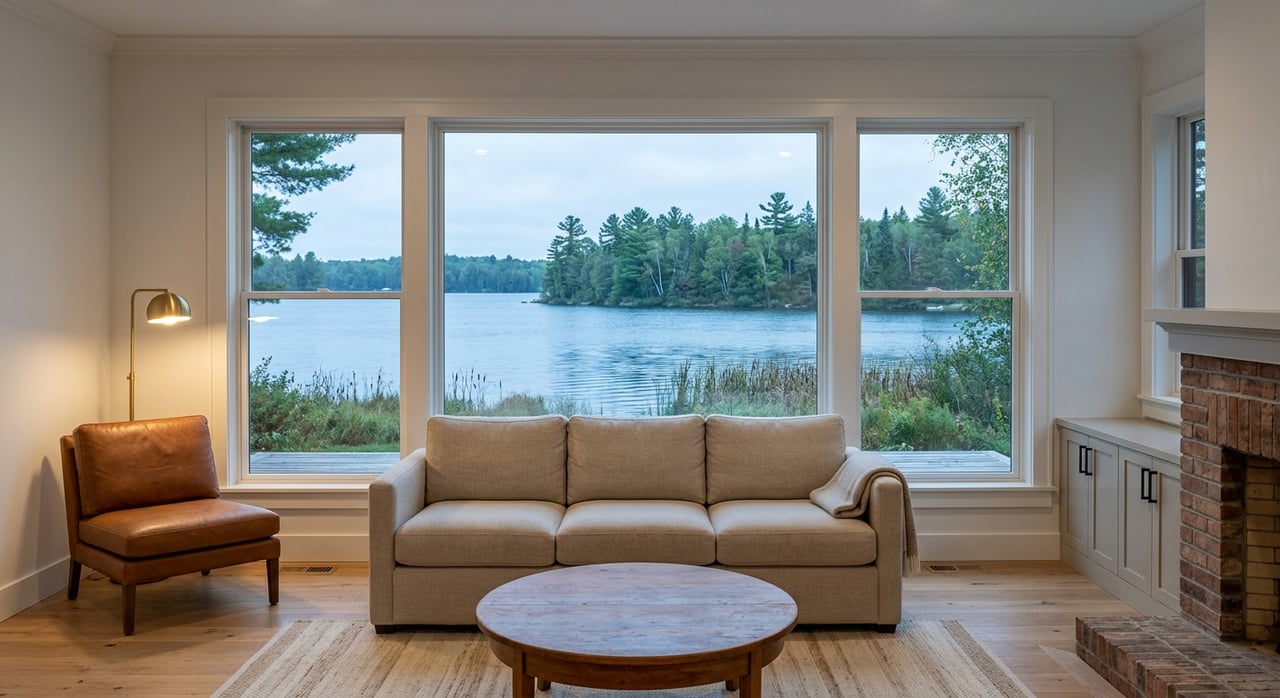
- Views from main living areas
- Easy access to the Holcombe Flowage
- Nearby recreation and convenience stops
According to the National Association of Realtors 2024 buyer and seller trends, sellers most want help marketing the home and pricing it competitively, while buyers want help spotting features or issues they may miss. That is one reason strong property descriptions, high-quality visuals, and honest presentation matter so much.
Prepare for shoreline questions early
Waterfront buyers tend to ask more detailed questions than typical buyers. If you can answer them early, you make the process smoother and help your home feel more market-ready.
In Wisconsin, shoreland rules apply to unincorporated land within 1,000 feet of a navigable lake or flowage. The Wisconsin DNR shoreland zoning program notes that local zoning staff are usually the best first contact for questions about setbacks, sanitary requirements, permit needs, and the ordinary high-water mark.
Chippewa County adds more local detail through its shoreland ordinance, including a buffer zone from the ordinary high-water mark to 35 feet inland and rules for viewing corridors tied to shoreline frontage. Just as important for sellers, the ordinance says it may not require an inspection or upgrade before a sale or transfer because of shoreland zoning.
Questions buyers may ask
Expect questions like these during showings or inspections:
- Where is the ordinary high-water mark?
- Are there setback limits or vegetation restrictions?
- Is the shoreline protected or stabilized?
- Is the current dock or pier compliant?
- Are there any permits on file for shoreline work?
- How does water access change by season or water level?
- What are the septic and well maintenance records?
Getting ahead of these questions can reduce surprises later.
Check docks, piers, and shoreline work
Dock and pier questions are common on flowage properties. The Wisconsin DNR pier and wharf guidance says repair of an existing pier or wharf that does not change the footprint remains exempt, while new piers that do not meet exemption criteria need a DNR permit.
If your property has a dock, it is smart to confirm what exists, what has been repaired, and whether any additions or changes required approval. Buyers may also ask about erosion control or shoreline stabilization. The DNR notes that these projects may need an exemption, general permit, or individual permit depending on the type of work.
Because Holcombe sits on a flowage, water access and dock usability can also vary with conditions. Before photos, listing launch, or showings, it helps to verify how the shoreline is presenting and whether the dock setup is ready for buyers to evaluate.
Review septic and well records
If your home is not served by public sewer, buyers will want to know how the private system has been maintained. Chippewa County’s POWTS program information states that private sewage systems are required for homes not served by public sewer, and maintenance pumping is required at least once every three years.
That does not mean every property needs the same prep, but it does mean records matter. If you have pumping receipts, inspection notes, or service invoices, gather them before listing.
Well information can matter too. Chippewa County’s Water Lab services show that private water samples can be tested locally for bacteria and other common concerns. If you want to reduce buyer uncertainty, updated well information can be helpful.
Time your sale around the season
A Holcombe lakefront home usually shows best when buyers can clearly see how the property lives outdoors. Chippewa County’s Pine Point Park highlights the area’s boating, fishing, swimming, beach use, and camping appeal, which reflects the broader recreational draw of Lake Holcombe.
That is why late spring through summer can be especially effective for marketing. During that window, buyers can better understand the shoreline, dock access, beach area, views, and outdoor living spaces.
Best timing advantages
Launching in the warmer season can help you show:
- Shoreline shape and condition
- Water access and dock setup
- Outdoor entertaining areas
- Trees, lawn, and landscaping
- Nearby recreation appeal
That said, timing alone will not do the job. If your pricing is off or the property is poorly presented, even a great season will not fix it.
Use marketing built for a niche buyer
Lakefront buyers are often shopping from farther away, and many start online. NAR reports that buyers rely on the internet and agents, and it also notes that virtual and augmented reality tools can improve online property viewing and marketing.
For a Holcombe waterfront listing, broad digital exposure matters because your best buyer may not live nearby. They may be looking for a full-time home, a weekend retreat, or a recreational property and comparing options across several Northwoods markets.
That is where a boutique approach with strong reach can help. You want hands-on guidance, but you also want professional presentation, strong MLS exposure, and marketing that clearly explains what makes your shoreline property worth a closer look.
Build a smoother sale from day one
Selling a lakefront home in Holcombe is about more than putting a sign in the yard. You need a pricing strategy based on waterfront realities, a clear plan to answer shoreland and dock questions, and marketing that shows buyers how the property actually feels to use.
When you prepare early, you can cut down on surprises and help serious buyers move forward with confidence. If you are thinking about selling your waterfront property, Shannon Hantke can help you build a practical plan with candid advice, local insight, and professional exposure.
FAQs
What makes selling a lakefront home in Holcombe different from selling another home?
- Holcombe lakefront homes sit in a smaller waterfront submarket where pricing, days on market, shoreline usability, and water access can matter as much as the house itself.
What should you do before listing a Holcombe waterfront property?
- Gather records for septic, well, dock or pier work, recent updates, and any shoreline-related information so buyers can get answers early.
How should you price a waterfront home in Holcombe, Wisconsin?
- Your price should be based on waterfront-specific comps and details like shoreline access, owned frontage, condition, updates, and utility of the outdoor spaces rather than county averages alone.
What shoreland rules matter when selling a home in Chippewa County?
- Buyers may ask about setbacks, buffer zones, viewing corridors, sanitary requirements, and the ordinary high-water mark, so it helps to review local and state shoreland guidance before listing.
When is the best time to sell a lakefront home on Lake Holcombe?
- Late spring through summer is often the easiest time to show shoreline conditions, dock access, outdoor spaces, and the recreational appeal of the property.
Why do dock and pier details matter when selling a Holcombe flowage property?
- Buyers often want to know whether a pier is existing, repaired, expanded, or permitted, and dock usability can be part of how they judge the property’s overall value.