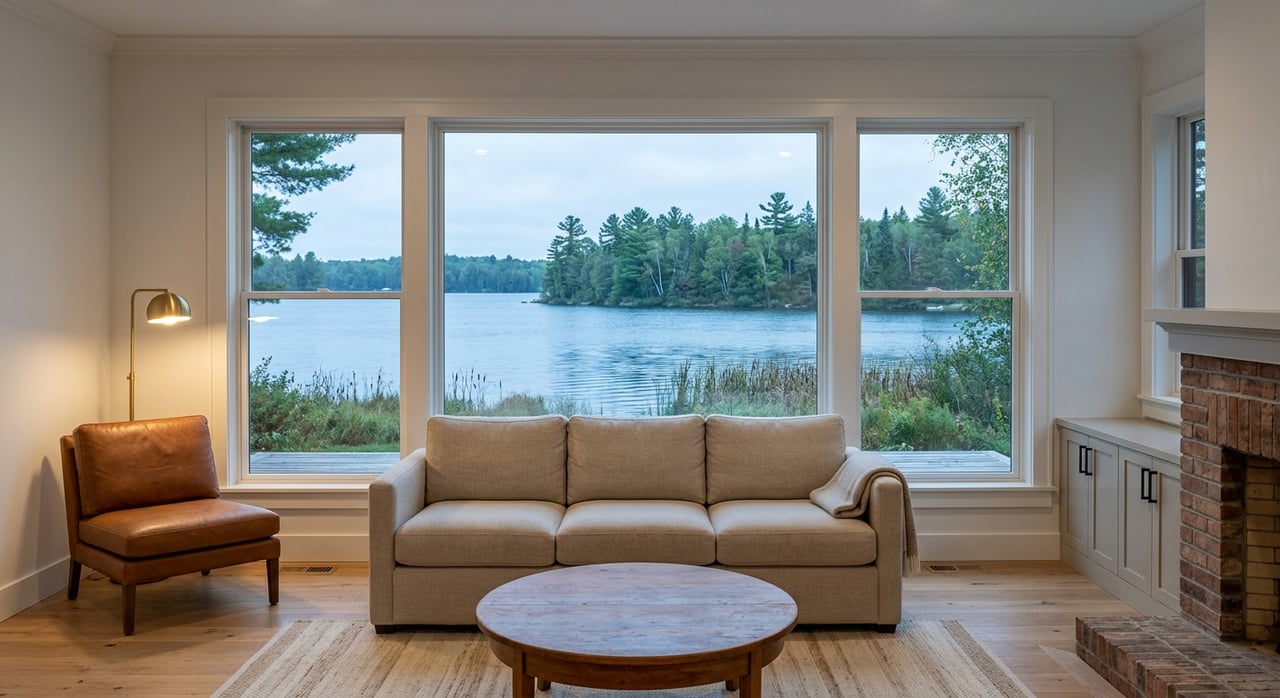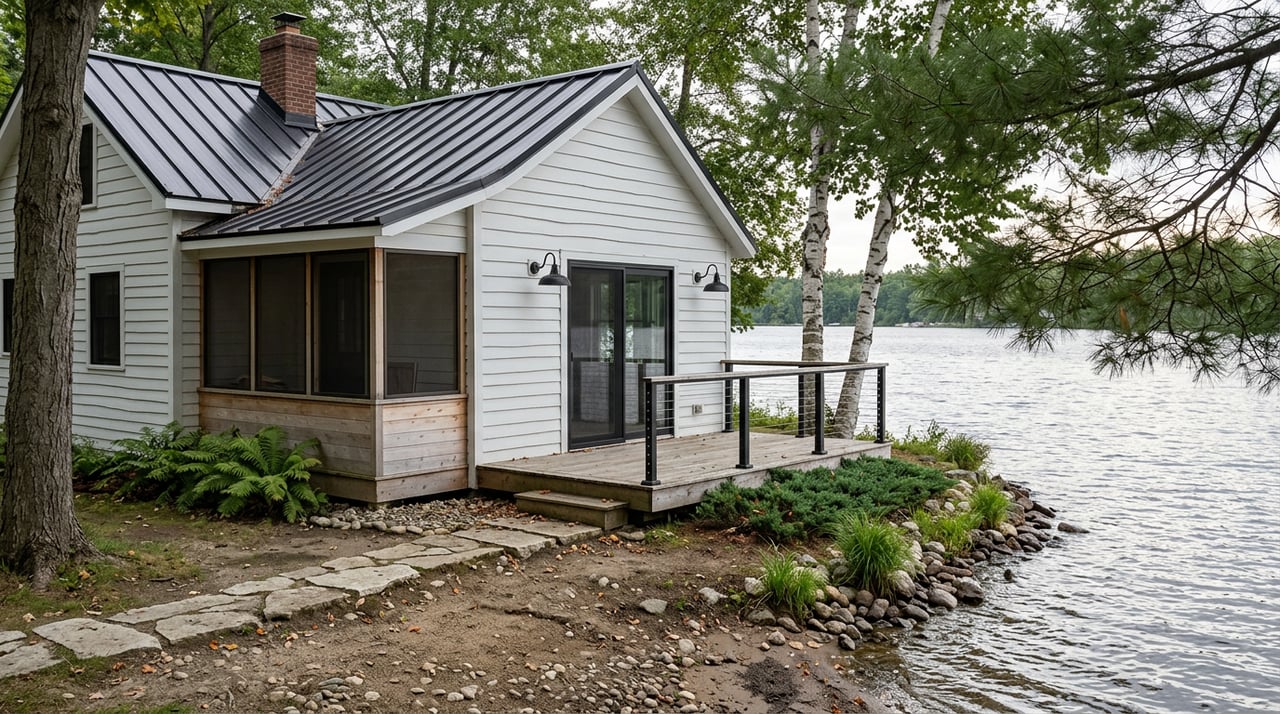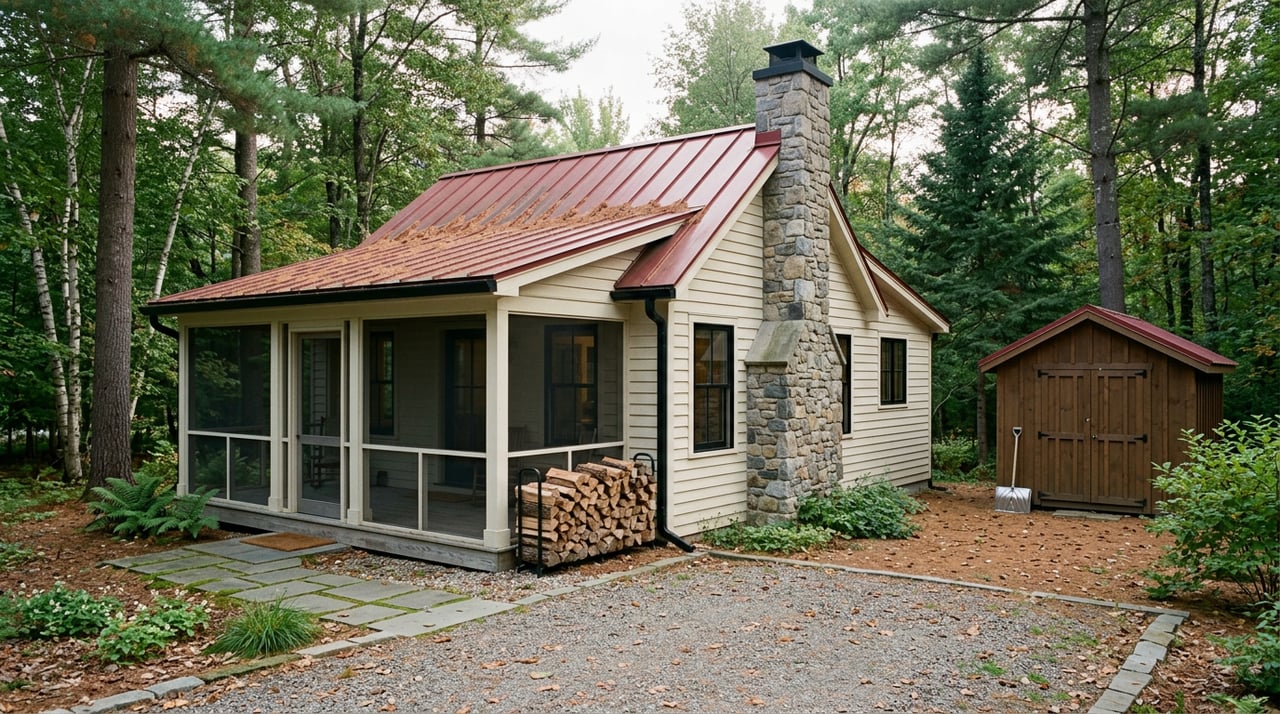
Ever picture slow mornings on glassy water, then realize there is a lot to learn before you buy a cabin? You are not alone. Owning a cabin near Holcombe can be deeply rewarding, but it works best when you know the rhythms, rules, and real upkeep that come with lakeside living. In this guide, you will learn how the Holcombe Flowage behaves, what seasonal care looks like, which shoreline and dock rules matter, and the time and costs to plan for. Let’s dive in.
Holcombe at a glance
Holcombe Flowage, often called Lake Holcombe, is a large, shallow reservoir on the Chippewa River with about 3,800 to 3,900 surface acres, roughly 91 miles of shoreline, a mean depth near 12 feet, and deeper pockets to about 60 to 62 feet. These details come from the Wisconsin DNR’s management materials for the flowage and give you a sense of scale and variety on the water. You will find areas suited to cruising, swimming, and fishing, along with long stretches of both private and public shoreline. For a quick primer on size and depth, review the DNR’s Holcombe Flowage management information and maps in the agency’s records.
The flowage exists because of a dam built during the logging era, later converted to a hydroelectric facility. As a licensed FERC hydropower project, water levels are actively managed, which can create seasonal and short-term fluctuations. That means you should expect normal changes in water levels and plan your dock and lift setup to handle them. For background on the project’s hydropower status, you can review the Holcombe entry on Hydroreform’s FERC project pages.
Holcombe supports multi‑species fishing and year‑round recreation. Like many flowages, it has a history of nutrient and suspended‑solids challenges in parts of the system, and there have been management and shoreline restoration efforts in response. That history shapes local stewardship priorities, so many owners choose native shoreline buffers and careful dock placement to protect water quality. The DNR’s watershed detail page for Holcombe shares context on restoration work and best practices owners can follow.
The seasonal rhythm and upkeep
A cabin near Holcombe usually takes more hands‑on care than a year‑round house. You open it in spring, enjoy the summer, then winterize in the fall. Between those milestones, you will manage basic lawn and shoreline chores, check the dock, and handle a few periodic service appointments. Planning for this rhythm makes weekend time smoother and helps you avoid surprise repairs.
Spring opening
- Turn water back on, then inspect roof, siding, windows, and the dock after snow and ice season.
- Have a pro start the well and test for bacteria and nitrates, especially if the cabin sat closed all winter.
- Check your septic system, confirm next pump date, and walk the drainfield for any signs of surfacing water.
- Reconnect utilities, test smoke and CO alarms, and look for pest entry points before your first overnight.
Summer care
- Expect weekly or biweekly lawn, brush, and shoreline vegetation care within local rules.
- Inspect your dock and lift after storms, and tighten or adjust as water levels change.
- Track water use and guest counts so you are kind to the septic system.
- Keep a small list for a midseason handyman visit, like touch‑ups, tree trimming, or deck repairs.
Fall winterizing
- Drain and winterize plumbing, or hire a plumber to blow lines and add antifreeze.
- Remove boats or move them to winter storage, and secure or pull seasonal docks and lifts.
- Service heating devices, tidy gutters, and store hoses and outdoor furniture.
- If you use propane, schedule a fill and shut or secure lines for vacancy.
Winter checks
- If you want winter access, plan for plowing and safe entry.
- Monitor snow load on roofs and decks, and arrange periodic property checks.
- If you keep some heat on, confirm your insurer’s requirements and set freeze protection.
- Watch shoreline structures for ice and pressure‑ridge effects, especially during thaw cycles.
Septic and well basics
Many cabins rely on a private septic system and a private well. For septic systems, the U.S. EPA recommends inspection at least every 3 years and routine pumping every 3 to 5 years for a typical household, with yearly inspections if your system has mechanical parts. Seasonal cabins can still need regular service, and heavy guest use often shortens pumping intervals. For clear maintenance guidance, see the EPA’s homeowner recommendations on septic care.
Private wells are common around Holcombe. Plan on testing at least annually for bacteria and nitrates, and test again after flooding, major plumbing work, or any noticeable change in taste or odor. The Wisconsin DNR provides watershed and stewardship information that reinforces these best practices for private wells. If you want to learn more about emerging contaminants, you can also review general resources on topics like PFAS from regional water‑quality organizations. The key is to build testing into your yearly routine so you know what you are drinking.
Heat, power, and insurance
Heating setups vary. Many cabins use propane, wood or a wood stove, mini‑split electric, or standard electric heat. If you use propane, plan seasonal deliveries and decide if you will leave the system on low heat in winter, or shut it down and winterize plumbing.
For electric service, confirm the service drop and meter location, and ask the utility about any costs for line extensions if a parcel is more rural. These details change from lot to lot. Insurance also works differently for seasonal or vacant properties. Many carriers require winterizing steps and periodic checks during vacancy, and some specify minimum heat settings in cold months. Talk to an insurer early so your maintenance plan matches your coverage.
Shoreline rules and permits
Shoreline work in Wisconsin is regulated. The state’s Shoreland Management Program sets minimum standards, and counties adopt and enforce local ordinances. In general, shoreland zoning applies within 1,000 feet of a lake or within 300 feet of a navigable stream, or to the floodplain if greater. Chippewa County can have rules that are more specific or stricter than the state minimums, so always confirm parcel details with the county. For the statewide framework and distances, review the DNR’s zoning board handbook overview.
What usually needs a permit
- New docks or boathouses, pier enlargements, and most structures in or near the water often need county and state approvals.
- Shoreline hardening, like rock revetments or seawalls, is tightly regulated.
- Earth moving near the ordinary high water mark, and clearing inside a vegetative buffer, can be restricted.
- Always check both county zoning and the DNR’s Chapter 30 guidance on structures in navigable waters.
You can learn more about permits and standards on the DNR’s shoreland zoning page. Expect some lead time for approvals, and plan projects for the right season.
Stewardship and buffers
Holcombe has seen targeted restoration work, so keeping or restoring native vegetation along your shoreline is both smart and often encouraged. A native buffer filters runoff, stabilizes banks, and supports clear water and healthy habitat. Where stabilization is needed, many owners choose softer solutions before hard armoring. The DNR’s watershed detail page highlights stewardship options and programs that sometimes offer technical help.
Docks, lifts, and boat storage
Most owners use a seasonal dock with or without a boat lift. Your shoreline slope, depth at the end of the dock, and bottom type affect what will work. Because water levels can fluctuate, it pays to pick a modular system that can be adjusted and to learn the local practice for when to pull or secure gear in fall.
Common storage options include:
- Keep the boat on a private dock or lift during the open‑water season.
- Haul and store on a trailer on your property, if allowed by local rules and space.
- Use off‑site indoor storage or winter rack storage through nearby marinas or resorts, as availability allows.
Public access points are available on the flowage if you trailer in and out. You can find public boat landing listings in the DNR’s project records for Holcombe. Before closing on a property, verify whether on‑lot storage is allowed year‑round, whether your shoreline can accommodate a lift, and if off‑site storage has capacity for the coming winter.
How often owners use cabins
Use patterns vary. Many owners within one to two hours drive come often for weekends from spring through fall, with some winter trips for ice fishing or holidays. If you live three or more hours away, your time may cluster around long weekends, midsummer weeks, and holidays.
As a baseline, expect to spend several weekends plus a summer week or two at the cabin in an average year. Plan a day or two with a pro for spring opening and fall winterizing, and add a few hours per month for routine care. If you choose to rent seasonally, your personal use and maintenance schedule will change.
What it costs to maintain
Costs vary by parcel size, shoreline configuration, and your setup. Most owners plan for recurring services like septic inspection and pumping on the recommended schedule, annual well testing, dock upkeep, lawn and tree work, fuel or propane deliveries, driveway care, and insurance premiums. If you want winter access, budget for plowing and occasional roof snow removal.
Bigger or periodic items include dock installation or repair, shoreline stabilization, septic repair or replacement, well servicing or water treatment, and backup power if you want a generator. Taxes, insurance premiums, and any utility hookup or extension fees are parcel specific, so it is smart to check with the Chippewa County assessor, your insurer, and local utilities early in your search.
Pre‑purchase checks
Before you write an offer, take a close look at a few key items:
- Confirm legal shore frontage and the ordinary high water mark on the deed and survey, and verify if the shoreline is private or owned by the utility or state. The DNR’s Holcombe Flowage materials help you understand the setting.
- Verify septic type, age, tank size, last pump date, and the drainfield location, and request service records. Follow EPA guidance on inspection and pumping timelines.
- Ask about the well depth and test history, and get a current bacteria and nitrate test. If you want broader awareness, read general resources on contaminants like PFAS.
- Check Chippewa County shoreland zoning setbacks and permit history. Many docks, boathouses, and shoreline changes required approvals. Start with the DNR’s shoreland zoning overview, then confirm specifics with the county.
Local resources and next steps
- Wisconsin DNR Holcombe Flowage records: lake facts, depth, and management context.
- DNR watershed detail: stewardship guidance and restoration context for Holcombe.
- DNR public access listings: boat landing information for planning your launches.
- Hydroreform project page: background on the hydropower facility and FERC status.
- EPA septic care page: homeowner‑friendly maintenance tips and pumping timelines.
- Town of Lake Holcombe: local services and community contacts.
When you are ready to explore cabins, it helps to have a local, candid guide who knows waterfront rules and seasonal realities. If you want clear advice, parcel‑level research, and help coordinating the right inspections and contractors, schedule your free consultation with Shannon Hantke. Together, you can build a plan that fits the way you actually want to use your cabin.
FAQs
How do water levels on Holcombe affect docks?
- Water levels are managed as part of a hydropower project, so expect normal fluctuations and choose adjustable, modular dock and lift systems that can handle seasonal changes.
Do I need a permit to build a dock or boathouse near Holcombe?
- Many shoreline structures, enlargements, and in‑water work require county permits and often state approvals, so check Chippewa County zoning and DNR Chapter 30 rules before you plan.
How often should I pump a septic system at a cabin?
- The EPA suggests inspections at least every 3 years and routine pumping every 3 to 5 years for typical systems, with more frequent checks if you have mechanical parts or heavy guest use.
What well testing should I do for a private cabin near Holcombe?
- Test at least annually for bacteria and nitrates, and test again after flooding or plumbing work, then consider more detailed testing as advised by local health or water professionals.
Should I keep heat on in winter for insurance purposes?
- Many insurers require certain winterizing steps and sometimes a minimum heat setting, so confirm your carrier’s vacancy and cold‑weather requirements before you close the cabin for the season.
Can I store my boat on the property year‑round?
- It depends on local zoning and the parcel; verify on‑lot storage rules, space, and safety, and consider off‑site indoor storage if winter storms or access make on‑site storage impractical.