Thinking about selling your home in Ladysmith? In a small market, every listing stands out and every pricing choice matters. You want a smooth sale and a strong result without wasting time or money on the wrong fixes. In this guide, you’ll learn how to price confidently, prepare your home with a clear checklist, and understand the Wisconsin disclosures that apply. Let’s dive in.
Ladysmith market at a glance
Ladysmith and Rusk County are low-volume markets where a few sales can swing the monthly numbers. Recent market snapshots show a median listing or sale price around $199,000 with roughly two months on market. Because providers use different data and timeframes, treat any single number as a ballpark estimate, not the final word for your address.
This small-market reality makes accurate comp selection and a clear pricing plan essential. Thin active inventory also means buyers see every new listing. If you price and present well in the first 30 days, you give yourself the best chance to sell at market value.
What drives value in Ladysmith
- Location and lifestyle features. Buyers weigh proximity to schools, medical services, and grocery, plus access to rivers, trails, and parks. The Flambeau and Chippewa river corridors are a draw, and local parks and trails add appeal. Explore the area’s recreation options through the city’s parks resources to see how lifestyle features may support value: Ladysmith Parks and Recreation.
- Mechanical systems and structure. Roofing, heating, electrical, plumbing, insulation, and, where applicable, well and septic condition matter. Appraisers and agents place heavy weight on these items when making adjustments, following standard valuation principles covered in appraisal coursework like the PSA Student Manual.
- Interior usability and finish. Kitchen and bath condition, number of functional bedrooms and bathrooms, finished square footage, and overall floor plan are big comparison points for buyers.
- Lot and special features. Garage size, workshops, finished basements, outbuildings, and especially direct water access or acreage can redefine a price segment in our market.
Condition expectations by price band
These ranges are common in Ladysmith. Your exact list price should come from a local CMA.
Under about $125,000
Many homes at this level need updates or repairs. Typical buyers include investors, first-time buyers, or those ready to tackle projects. You can either sell as-is or complete targeted fixes that improve safety and insurability. A clean title, clear disclosures, and tidy presentation help you attract serious offers.
About $125,000 to $250,000
This is the mid-market where most sales occur. Buyers often expect sound mechanicals and a clean, move-in ready feel. Fresh paint, minor updates, and thoughtful staging can help your home stand out. Professional photos are especially important to drive showings in this band.
About $250,000 to $400,000
Expectations rise. Buyers look for turnkey systems, attractive finishes, and documentation of improvements. Waterfront or acreage properties are judged on access, shoreline condition, and well/septic performance. A polished media package with a floor plan and optional drone is a plus.
Over $400,000
Buyers in this tier expect higher-quality finishes, strong mechanicals, detailed documentation, and elevated marketing that shows off unique features like river frontage or large outbuildings.
A smart pre-listing timeline
Start early and focus on high-impact tasks. Here is a practical sequence that works in Ladysmith.
6 to 12 weeks out
- Meet with your agent to set goals, review the market, and choose a timeline.
- Decide on any major repairs that need lead time, such as roofing or HVAC.
- Gather receipts, permits, appliance manuals, and improvement records.
3 to 6 weeks out
- Tackle safety and systems first: fix known issues with heating, electrical, plumbing, and any code concerns.
- Paint high-impact spaces in neutral tones and make basic curb appeal updates.
- If staging is likely to help, plan it now. Research from the National Association of REALTORS shows staging helps many buyers visualize a home and may reduce time on market. See the NAR Profile of Home Staging.
1 to 2 weeks out
- Deep clean, declutter, and remove personal items so rooms feel open and neutral.
- Schedule professional photography and create a floor plan. Listings with strong visuals and media get more online engagement, which often leads to faster showings. See supporting data on photo performance from PhotoUp.
- Consider a pre-listing inspection if you want to minimize renegotiation risk; discuss cost and strategy with your agent.
Your pre-listing checklist
- Safety and insurability: working smoke/CO detectors, safe electrical, and a functional heating system.
- Systems and documentation: roof age and condition, furnace and water heater status, plumbing and electrical updates. For well/septic, collect any available service records.
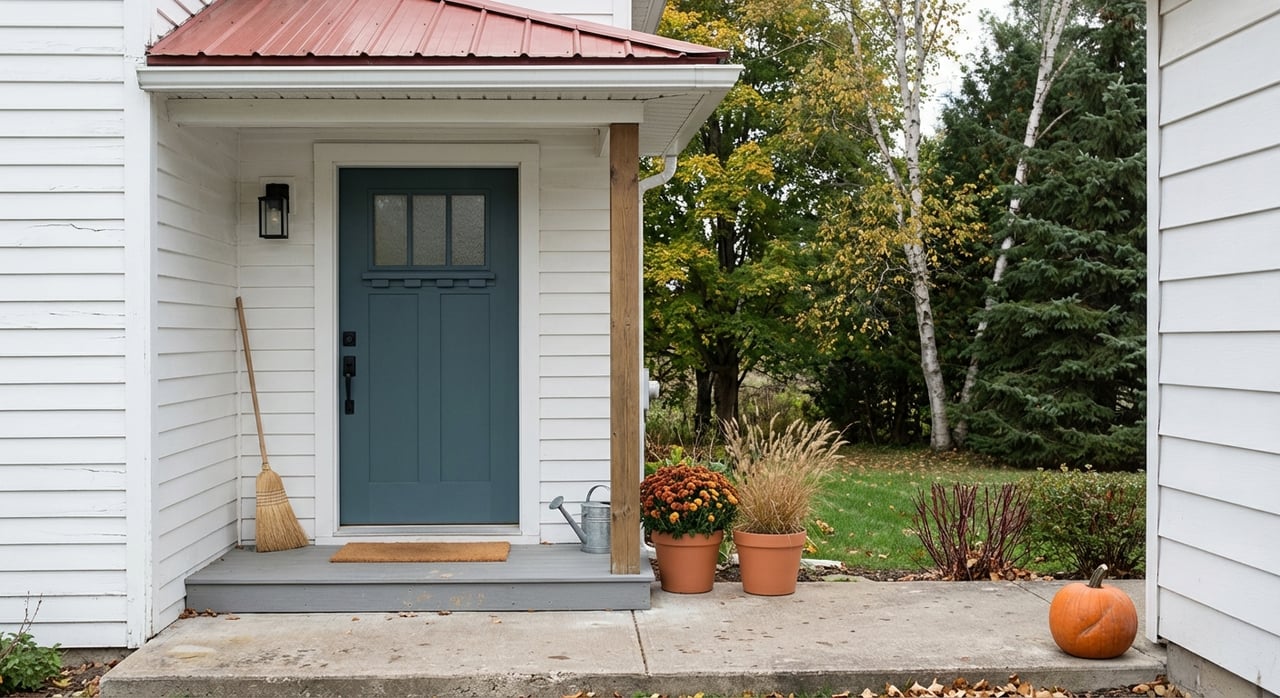
- Curb appeal: mow and edge, trim shrubs, refresh exterior bulbs, add a welcome mat and a seasonal planter.
- Interiors: touch-up paint, tighten hardware, fix leaky faucets, replace burnt-out bulbs, and neutralize decor.
- Media package: professional photos, floor plan, and short video or drone for acreage or waterfront when appropriate.
Showings and open-house strategy
In small markets like ours, private showings for pre-qualified buyers are often the most efficient path to offers. Open houses can help with exposure on move-in ready homes but may also draw many casual visitors. A thoughtful approach can save time and keep your home showing-ready without burnout. For a balanced perspective on open-house value, review this summary of pros and cons: Are Open Houses Worth It?
Wisconsin disclosures you should know
- Real Estate Condition Report (RECR). Wisconsin requires sellers to deliver a standardized condition report. Your agent will provide the form and help you understand timing and content. Failing to deliver it on time can give a buyer the right to rescind. Read the statute text for context: Wisconsin RECR, Section 709.03.
- Lead-based paint for pre-1978 homes. Federal rules require you to provide a lead disclosure, share any known information, and give buyers a 10-day window to test. See the EPA overview: Lead-Based Paint Disclosure Rule.
- Radon. Radon is common in Wisconsin. Disclose any known testing or mitigation and consider a pre-listing test for buyer confidence. Learn more from this Wisconsin radon guide.
- Septic/POWTS. Local rules can vary and have been the subject of legal scrutiny. To avoid surprises, verify Rusk County requirements with your agent early in the process. See background from the Wisconsin REALTORS Association.
How Shannon prices your home in Ladysmith
Pricing well is part data, part local judgment. Here is the approach used to build a credible CMA in our low-volume market:
Define the subject clearly. Lot size, water frontage, outbuildings, finished square footage, bed/bath count, condition notes, and any permitted additions form the baseline for comparison.
Pull recent closed sales, then review pending and active listings. Most CMAs look back 6 to 12 months, prioritizing the most recent closed sales. If few sales exist, include nearby towns or similar riverfront parcels with a clear note on why they compare.
Make itemized adjustments. Use paired-sale logic to adjust for square footage, bathrooms, garages, condition, acreage, and water access. Consistency matters. Appraisal coursework outlines the add/subtract method for objective adjustments, as covered in the PSA Student Manual.
Reconcile to a value range. Weight adjusted sale prices and present a recommended list-price window, typically within 2 to 5 percent. In Ladysmith, buyers are price-sensitive, so we may price just below a key search threshold or at market to preserve negotiation room.
Test against today’s competition. Compare your home to active and pending listings and set a first-30-day plan. If showings lag, adjust either price or presentation quickly rather than making repeated small cuts.
Example of adjustments in practice: if a nearby 3-bed, 2-bath with a remodeled kitchen sold for $210,000 and your similar home lacks the remodel, a kitchen adjustment may be applied. If another comp adds an attached garage you do not have, a garage adjustment would reduce that comp’s value for comparison. The point is to stay systematic and document the why behind every number.
When to bring in Shannon
Reach out as soon as you’re considering a move. Early guidance helps you pick the right projects, set a realistic timeline, and prepare a pricing plan with confidence. As a boutique, Ladysmith-based agent backed by Coldwell Banker marketing and MLS syndication, I pair hands-on service with broad online exposure for residential homes, waterfront properties, and acreage.
I offer a free pre-listing consultation, a data-driven CMA, and professional listing exposure that highlights what buyers value most in our market. Ready to talk timing, pricing, and prep? Connect with Shannon Hantke today.
FAQs
When should a Ladysmith homeowner call an agent about selling?
- As soon as selling is on your mind. Early input helps you prioritize repairs, plan your timeline, and prepare required disclosures, which usually leads to a smoother, faster listing.
Do I have to fix everything an inspector finds in Wisconsin?
- No. You must disclose known defects on the Wisconsin RECR, but you can negotiate repairs or credits based on buyer requests.
What Wisconsin disclosures apply to older homes?
- Homes built before 1978 require a federal lead-based paint disclosure and a 10-day testing window for buyers, plus the standard Wisconsin RECR.
How do radon and septic affect a sale in Rusk County?
- Disclose any known radon or septic information. Consider radon testing before listing and verify any local POWTS rules with your agent to avoid delays.
What commissions and closing costs should Ladysmith sellers expect?
- Commission is negotiable; many sellers budget about 5 to 6 percent in total, plus a few percent for title, taxes, and fees. Ask your agent for a net sheet tailored to your property.