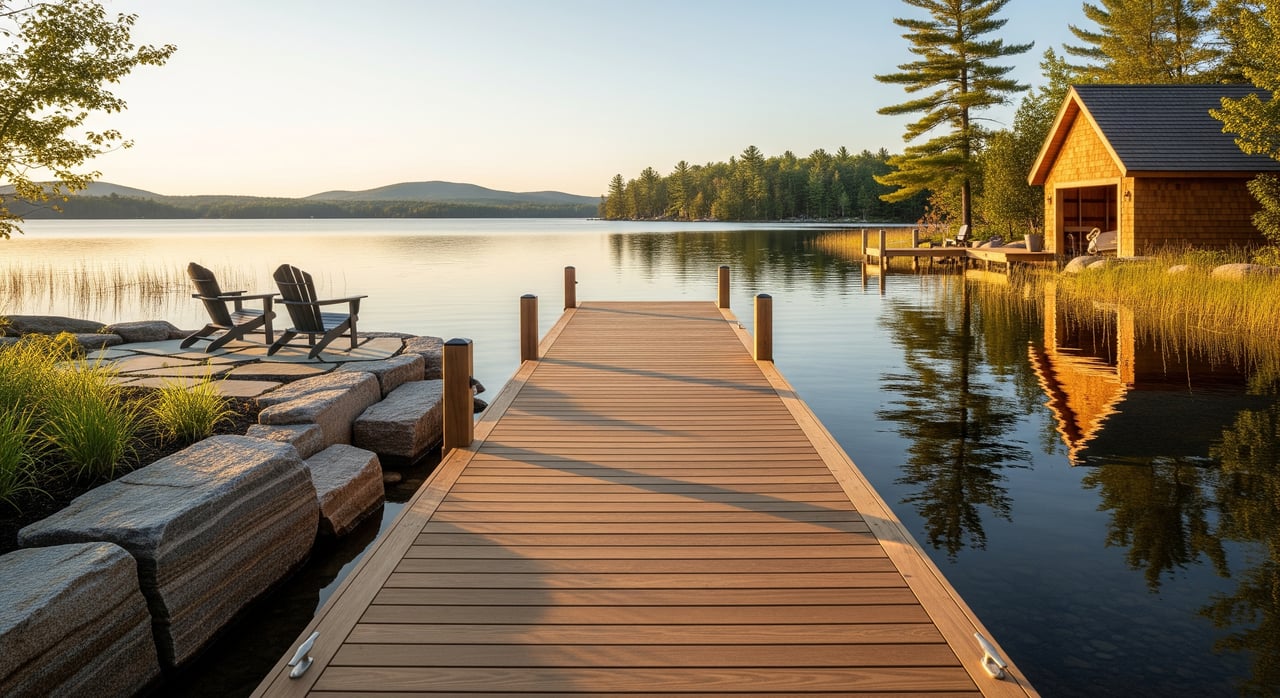
Wondering how lake access, boat traffic, and shoreline rules actually work on Lake Holcombe? If you’re picturing peaceful mornings on the dock and fun afternoons on the water, a little local know‑how goes a long way. You want to understand where the busiest areas are, what you can do with a dock, and how to judge water depth and vegetation at a specific property. This guide walks you through the essentials so you can buy with confidence and choose a spot that fits your lifestyle. Let’s dive in.
Lake Holcombe at a glance
Lake Holcombe, commonly called the Holcombe Flowage, is a reservoir on the Chippewa River in Chippewa County. Reservoirs blend river channels with broader basins and quieter coves. That mix creates a variety of boating conditions, swim spots, fishing areas, and shoreline types.
You’ll see a full range of recreation here: motorboating, fishing for warmwater species, waterskiing and tubing in the open stretches, and quieter cruising or paddling in protected arms and coves. Activity usually clusters near public launches, marinas, resorts, and popular hangouts.
On the rules side, Wisconsin boating laws apply, with local ordinances and shoreland zoning administered by Chippewa County and sometimes towns or villages. Marine safety is typically handled by the Chippewa County Sheriff’s Office or designated patrols.
Public access: what it means for you
Public boat launches shape daily traffic patterns. Where ramps are concentrated, you’ll see more day‑use, higher wake activity, and more transient boat traffic.
What to check
- Launch locations and distance from the property. Closer launches generally mean more passing traffic.
- Parking capacity and fees. Bigger lots support more day boaters.
- Courtesy docks, fishing piers, and ADA features. These draw additional foot traffic.
- Ramp size and trailer maneuvering room if you run a larger boat.
Where to look up launches
Authoritative sources include Wisconsin DNR lake/flowage pages and public launch lists, Chippewa County Parks & Recreation or Land & Water/Zoning webpages, and local tourism pages. These listings change, so confirm current access, hours, and fees before you plan.
Boat routes and navigation patterns
On reservoirs like the Holcombe Flowage, the safest, deepest water often follows the original riverbed. Wider, open segments of the main channel attract higher speeds and towing. Narrower arms, shallow bays, and vegetated inlets are favored by anglers, paddlers, and neighbors heading to their docks.
How traffic typically moves
- Boaters run the main channel for faster travel between launches, marinas, and popular destinations.
- Open basins support waterskiing, tubing, and higher-speed cruising.
- Protected coves and marshy inlets stay calmer and attract fishing and quiet cruising.
Before you tour by boat
- Review a DNR lake map for depths, marked channels, and shallow areas. Submerged stumps and rock piles can sit near old shorelines.
- Note posted no‑wake zones near launches, swim areas, and narrow passages.
- Plan your timing. Weekends and summer holidays see the most boat density. Early mornings and weekdays are usually quieter.
Safety and seasonal changes
Spring runoff and fall drawdowns can expose hazards and alter dock usability along the edge. Winter brings ice activities and seasonal restrictions for docks and ramps. If you’re planning a dock or lift, ask about typical water‑level ranges and how they affect access.
Shoreline characteristics and owner considerations
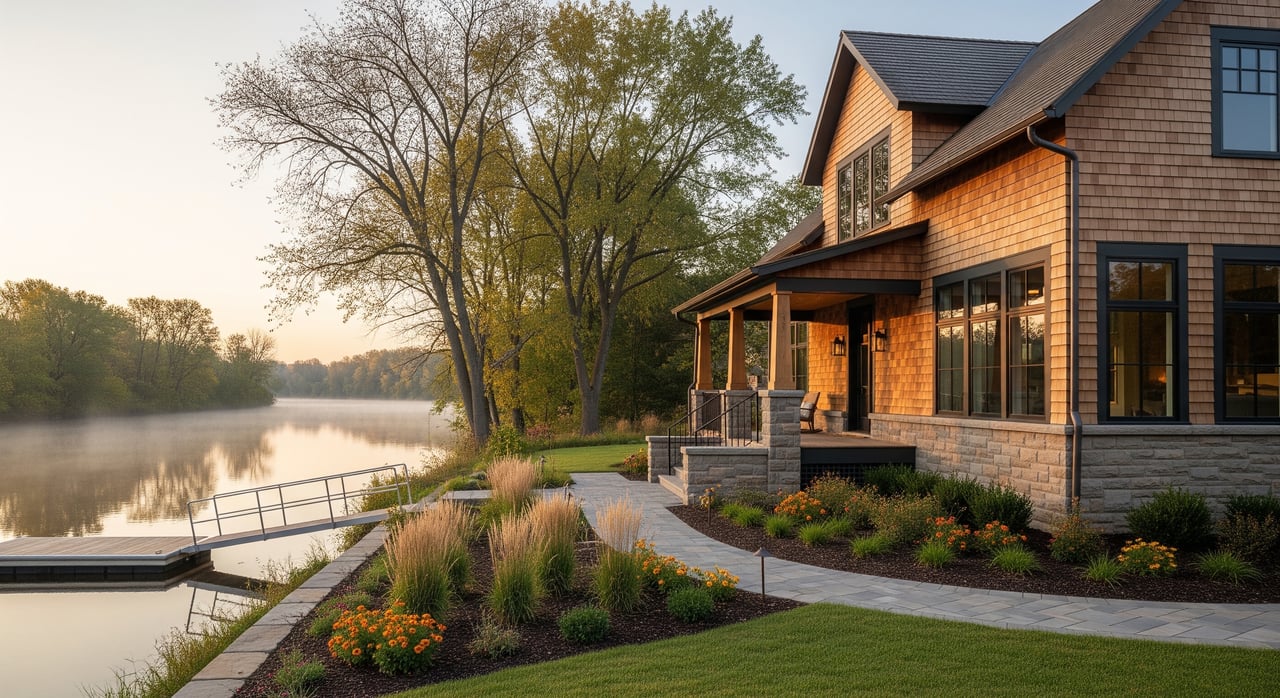
Lake Holcombe has a mix of wooded lots, natural coves with sandy or peaty bottoms, occasional rocky points, and developed shorelines with riprap or seawalls. Depositional coves often have softer bottoms and aquatic vegetation. You may find submerged timber close to shore, which can affect swimming and docking.
Vegetation, depth, and swimability
- Softer-bottom coves and shallow margins often host more aquatic plants. That’s great for wildlife and fishing but can be less ideal for swimming.
- Main-channel edges are generally deeper and clearer, with more exposure to waves and wakes.
- Always check water depth off the dock, underwater hazards, and typical wind/wave exposure during a showing.
Shoreland zoning and setbacks
Wisconsin’s NR115 and Chippewa County shoreland zoning rules affect building setbacks, tree removal, impervious surfaces, and septic placement near the lake. If you’re planning any modifications, get clarity on what is permitted before you buy.
Docks, lifts, and placement
Docks often require county permits, and some projects need DNR notification or authorization, especially if they affect the lakebed, shore, or wetlands. Local ordinances may limit type, length, and number of structures. Ask for any existing dock or boat lift permits and confirm riparian boundaries.
Shoreline stabilization
Riprap, seawalls, and other stabilization efforts are often regulated. Permits may be required if work affects the water’s edge or shoreland vegetation. The right approach depends on your soil type, slope, and wave exposure.
Water levels and drawdowns
Reservoir levels can fluctuate for hydroelectric or management reasons. Ask for typical seasonal ranges and any historic low‑water events. This affects dock length, lift placement, and overall usability late in the season.
Septic and wells
Waterfront lots can have tighter constraints for septic systems due to setbacks and soil. Review county sanitarian records, septic permits, and replacement options. Municipal sewer is uncommon around rural lakes.
Quiet vs active areas: choose your fit
You can predict a property’s feel by studying proximity to launches, main-channel corridors, and popular gathering spots.
Where activity concentrates
- Properties near public launches, marinas, resorts, public swim areas, and campgrounds.
- Wider open basins and main-channel stretches used for towing and higher speeds.
- Weekend and afternoon windows during peak summer.
Where quiet usually persists
- Upper reaches of arms, protected coves, and shallower bays with more vegetation.
- Areas with limited public access or deeded access shared by fewer owners.
- Early morning hours and weekday periods outside of holidays.
What to look for on maps and in person
- Distance and line‑of‑sight to launches and popular recreation areas.
- Clusters of docks and boat houses, or frequent pontoon tie‑ups, which suggest higher use.
- Wetlands, narrow inlets, and visible aquatic plants, which often signal calmer, wildlife‑oriented shoreline.
A practical on-site checklist
Bring this list to your showing or boat tour so you can compare properties apples to apples.
During a showing or tour
- Visit at least twice: a weekday morning and a weekend afternoon in peak season.
- Take a boat loop to see launches, marinas, popular coves, and how exposed the property is to passing traffic.
- Check swimability: depth at the dock, underwater hazards, and vegetation.
- Note wind and wave exposure relative to the home and dock location.
- Ask for copies of any existing dock, lift, riprap, or shoreline permits and water‑level records.
Technical and legal due diligence
- Confirm riparian boundaries, easements, and recorded docking rights (including shared or community access).
- Verify county shoreland zoning rules, building setbacks, and septic permit history.
- Review floodplain and high‑water history using county resources and community flood maps.
- Confirm utilities, road maintenance responsibilities, and winter access if you plan to use the property year‑round.
- Discuss insurance considerations related to flood, wind, and ice exposure.
Who to contact for authoritative answers
- Wisconsin DNR for lake information, boating regulations, and permits.
- Chippewa County Zoning / Land & Water Conservation for shoreland zoning, septic, and shoreline project permits.
- Chippewa County Sheriff’s Office for marine enforcement and boater safety guidance.
- Local lake association, chamber, and marinas/resorts for current use patterns, events, and community norms.
Smart questions to ask sellers and neighbors
- Which public launches or marinas are within a 5–10 minute boat ride from here?
- Are there local speed or no‑wake ordinances that affect this shoreline?
- Do seasonal events, tournaments, or fireworks draw extra traffic?
- How have water levels behaved in recent seasons, and how did that affect dock access?
Putting it all together
The right Lake Holcombe property should match your vision for how you want to use the water. If you love towing and lively afternoons, focus on open basins and main-channel stretches near launches. If you prefer quieter paddling and wildlife watching, look to protected coves and upper arms with shallower depths and more vegetation. Pair in‑person observation with county and DNR guidance on docks, shoreland rules, and water levels, and you’ll avoid surprises.
When you’re ready to talk through specific lots, permits, and access questions, reach out for local insight and a calm, step‑by‑step plan. If you want, we can boat a loop together so you can see traffic patterns in real time and get a feel for each shoreline.
Ready to explore Lake Holcombe homes with a local guide who understands waterfront details and due diligence? Connect with Shannon Hantke for a friendly, no‑pressure consultation.
FAQs
How many public boat launches serve Lake Holcombe?
- Launch listings can change. Check Wisconsin DNR and Chippewa County resources for current locations, hours, and fees, then map them relative to the property you’re considering.
Where does boat traffic concentrate on Lake Holcombe?
- Expect more activity near public launches, marinas, resorts, public swim areas, and wider main‑channel segments used for towing and higher speeds.
Is a dock or boat lift allowed at a specific Holcombe property?
- Dock placement often requires county permits and may need DNR notification if the project affects the lakebed or shore. Confirm riparian boundaries and any association rules.
Will my shoreline be good for swimming on Lake Holcombe?
- It depends on depth, bottom type, vegetation, and wave exposure. Main-channel edges are often deeper, while coves can be shallower and weedy. Inspect on site and review a DNR lake map.
Do water levels on the Holcombe Flowage fluctuate through the season?
- Yes, reservoirs can fluctuate for hydroelectric or management reasons. Ask for typical seasonal ranges and any history of low‑water events that could affect dock usability.
When is Lake Holcombe the quietest for boating and paddling?
- Early mornings and weekdays are usually calmer. Weekends and holidays see the most day‑use and wake activity, especially near launches and open basins.