Thinking about listing your lake cabin in Chetek? Before you spend money on updates, it helps to know that waterfront buyers are looking at more than your cabin’s square footage. They are also noticing the shoreline, the dock area, the path to the water, and how easy the property feels to use. If you want to make smart prep decisions and avoid work that could create headaches, this guide will walk you through what matters most. Let’s dive in.
Why Chetek cabin prep is different
Chetek’s waterfront appeal is closely tied to the Chetek Chain of Six Lakes, which includes Chetek, Moose Ear, Ojaski, Pokegama, Prairie, and Ten Mile lakes. Travel Wisconsin describes the chain as offering about 3,800 acres of water and 125 miles of shoreline. That kind of setting shapes how buyers see lake property here.
When someone tours a Chetek cabin, they are often imagining how they would boat, fish, gather outdoors, and move between the house and the water. That means your listing prep should go beyond the inside of the home. A clean, usable waterfront setup can make a strong first impression.
Start with the highest-impact basics
If you are wondering where to begin, the best first steps are usually the simplest ones. Recent staging research from the National Association of REALTORS® found that the most common seller recommendations were decluttering, whole-home cleaning, and improving curb appeal. Those steps matter because they help buyers focus on the property instead of distractions.
The same research found that many buyers respond strongly to staging and visual presentation. Buyers’ agents said staging helps clients picture the property as their future home, and photos and videos are especially important. For a lake cabin, that applies indoors and outdoors.
Focus on clutter first
Cabins tend to collect seasonal gear fast. Life jackets, fishing equipment, boots, towels, tools, and extra chairs can pile up in mudrooms, porches, storage benches, and utility areas.
Before listing, clear out anything that makes the cabin feel crowded or harder to maintain. Your goal is to help buyers see space, not stuff. A cabin that feels organized usually feels better cared for too.
Clean for light and views
Waterfront homes benefit from natural light and outdoor views, so cleaning has an outsized payoff. Wash windows, clean screens, freshen floors, and pay special attention to waterfront-facing rooms.
Even a modest cabin can show well when it feels bright and tidy. Clean glass and neat surfaces help buyers notice the setting, which is often one of the biggest reasons they are shopping in Chetek in the first place.
Improve curb appeal and outdoor use
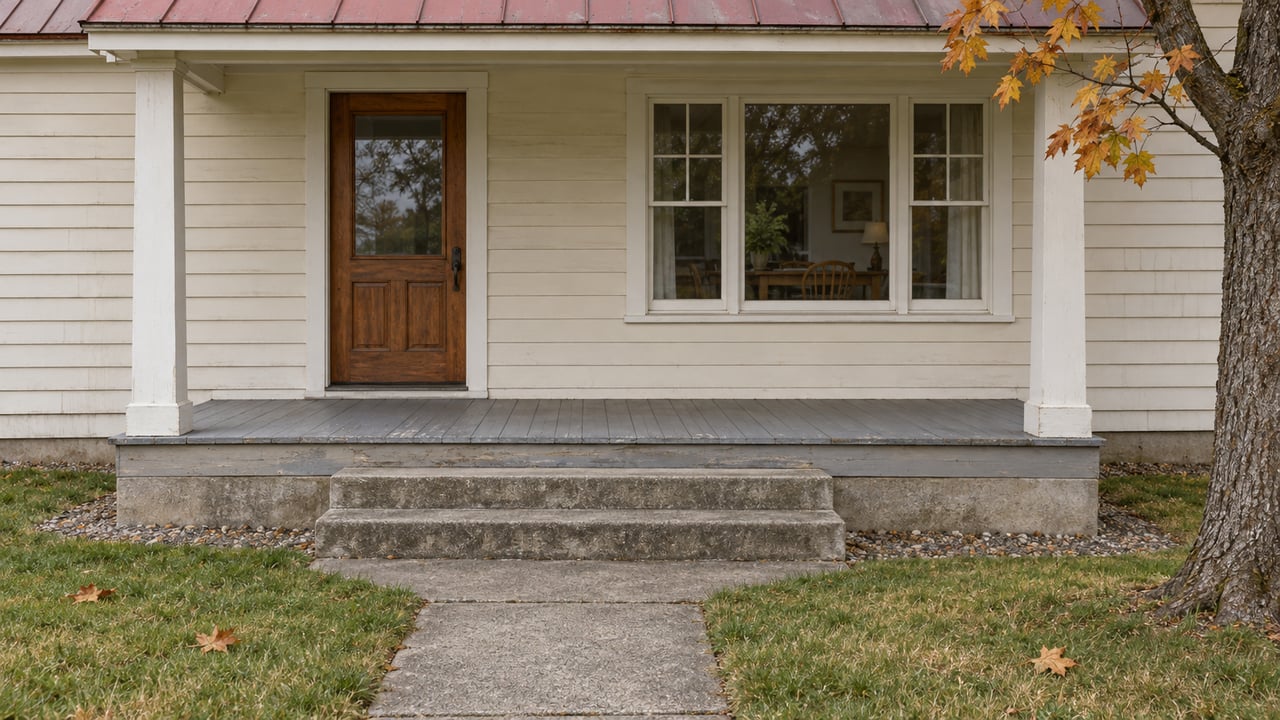
Buyers start forming opinions before they walk through the door. Straighten up the entry, remove dead plants or debris, and make outdoor seating areas feel intentional and usable.
For a lake property, curb appeal also includes the lakeside view of the home and yard. A simple cleanup around the shoreline side of the cabin can help the whole property feel more inviting.
Prioritize the rooms buyers notice most
If you are not staging every room, start with the spaces that tend to matter most. According to the NAR staging report, buyers’ agents ranked the living room as the most important room to stage, followed by the primary bedroom and kitchen.
That order makes sense for a Chetek cabin. Buyers want to picture relaxing after a day on the water, making meals, and hosting friends or family in a comfortable shared space.
Living room
Keep the living room open and easy to walk through. Remove oversized furniture if the room feels tight, and simplify decor so buyers notice the windows, layout, and gathering space.
If there is a view toward the lake, make sure nothing blocks it. That sightline can be one of the most memorable features of the home.
Kitchen
Clear counters and store small appliances if possible. A clean, simple kitchen feels larger and more functional, even if it is not recently updated.
You do not need a major remodel just to list. In many cases, buyers respond better to cleanliness, order, and good presentation than to rushed upgrades.
Primary bedroom
Keep bedding simple and the room calm. Remove extra personal items and unnecessary furniture so the space feels restful and easy to understand.
This is especially important in cabins, where bedrooms can be smaller or have unusual layouts. Clean presentation helps buyers focus on function.
Make the water access feel clear
One of the most important parts of a Chetek cabin is how the property connects to the lake. Buyers are not only asking, “Is there water access?” They are also asking, “How easy is it to actually use?”
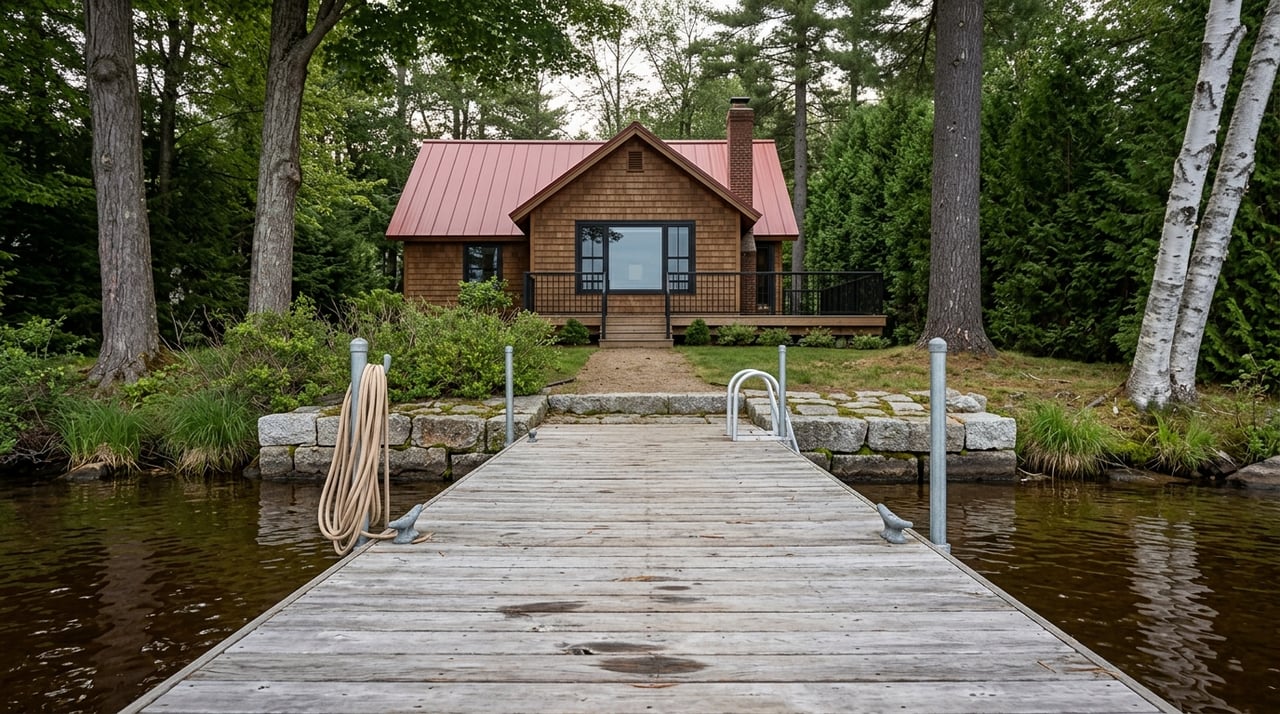
Walk the route from the cabin to the shoreline like a first-time visitor. Clear tripping hazards, define steps or walkways, and make the dock area look usable and straightforward.
Tidy the path to the shoreline
If lake gear, stacked wood, hoses, or yard tools are in the way, relocate them before photos and showings. A clean route helps buyers picture themselves carrying coolers, towels, or fishing gear without hassle.
Even small changes can improve flow. The easier the route feels, the more functional the property feels.
Present the dock area well
If your dock or pier is already in place and functional, make it look clean and ready to use. Remove clutter, secure loose items, and make the area feel safe and organized.
Do not assume you should rebuild or enlarge it before listing. Wisconsin DNR notes that pier rules can depend on size and configuration, and local ordinances may also affect placement or structure limits.
Be careful with shoreline projects
This is where many sellers can get into trouble by trying to “improve” the property too quickly. In Wisconsin’s Shoreland Management Program, the statewide minimum setback for buildings and structures is 75 feet from the ordinary high water mark, with some exceptions for certain water-oriented structures.
Barron County also identifies a 35-foot vegetative buffer zone near the ordinary high water mark where vegetation removal and land-disturbing activity are prohibited. Some exceptions and adjusted setbacks may apply, but the key point is simple: do not start shoreline clearing or site work without checking the rules first.
Think twice before clearing brush
A common pre-listing instinct is to open up the shoreline view by cutting brush or removing vegetation. On a waterfront lot, that can raise compliance issues if it happens inside the protected buffer area.
If you are considering cleanup near the water, it is smart to verify what is allowed before doing the work. A better listing photo is not worth creating a permit problem.
Watch out for new hard surfaces
Some sellers think about adding gravel, expanding a parking area, or installing a patio before listing. In Barron County, if work is on a waterfront lot or a lot entirely within 300 feet of the water, you must complete an Impervious Surface Calculation Worksheet before submitting a Land Use Permit application.
That calculation can also trigger a mitigation plan. In other words, what seems like a simple cosmetic upgrade may involve extra review.
Gather records before buyers ask
Good documentation can make a lake-cabin sale feel smoother and more credible. It also helps you answer questions quickly, which can reduce last-minute uncertainty.
If you can gather utility, shoreline, and permit records before listing, you put yourself in a stronger position. This is often more valuable than spending heavily on improvements that may not move the needle.
Useful records to collect
- Recent septic pumping or maintenance records
- Any well reports, well inspection results, or water test results
- Dock or pier permits, or prior approval paperwork
- County land use or shoreland permit history for additions, grading, patios, stairs, or shoreline work
- Strong photos of the shoreline and outdoor living areas
Wells and water testing
Wisconsin DNR says a well inspection or water testing is not required for a property transfer. Still, buyers and sellers may choose to have it done, and if it is performed, it must be completed by a licensed well driller or licensed pump installer.
The DNR also recommends annual bacteriological testing for private wells. If you already have recent records, having them ready can be helpful during the sale process.
If the property has an unused well, it should be identified and properly filled and sealed by a licensed well driller or pump installer. Older cabins sometimes come with questions like this, so it is worth checking early.
Septic records
Barron County’s sanitary maintenance program requires private sewage systems to be pumped within 36 months of installation and at least every 36 months after that, or when sludge reaches one-third of tank capacity. If you have recent pumping records, keep them handy.
For buyers, septic documentation can be one of the first things they ask about on a lake property. Having those records ready helps your cabin feel better prepared for market.
Fix what helps, skip what complicates
The best pre-listing plan is usually not a major remodel. Based on staging guidance and the realities of waterfront property, the smarter path is often a mix of decluttering, cleaning, curb appeal work, and minor repairs.
That might mean touching up paint, tightening loose hardware, replacing a broken light, or cleaning up the yard. It usually does not mean rushing into shoreline changes, major construction, or dock modifications without checking local requirements.
Why local guidance matters
A Chetek lake cabin has moving parts that a standard home may not. Shoreland rules, dock questions, septic records, well details, and waterfront presentation can all affect how your property is received.
That is where local, candid advice matters. A knowledgeable agent can help you sort out which updates are worth doing, which ones should wait, and which ones need documentation before anything else happens.
For many sellers, that kind of guidance saves time, reduces stress, and helps avoid spending money in the wrong places. If you want practical advice on preparing your Chetek cabin for the market, Shannon Hantke can help you build a smart plan that fits your property.
FAQs
What should I do first when preparing to list a lake cabin in Chetek?
- Start with decluttering, whole-home cleaning, and simple curb appeal improvements, since these are among the most common and effective pre-listing steps.
What rooms matter most when staging a Chetek lake cabin?
- The living room is usually the top priority, followed by the primary bedroom and kitchen, based on recent staging research.
Can I clear brush along the shoreline before listing my Chetek cabin?
- Not automatically. Barron County’s 35-foot vegetative buffer zone limits vegetation removal and land-disturbing activity near the ordinary high water mark.
Do I need to replace the dock before selling a waterfront cabin in Chetek?
- Not necessarily. If the dock or pier is functional and properly documented, it may be better to present it well rather than modify it without checking permit implications.
Do I need a well inspection to sell a Chetek lake cabin?
- No. Wisconsin DNR says a well inspection or water testing is not required for a property transfer, though buyers and sellers may choose to do it.
What septic records should I have before listing a cabin in Barron County?
- Try to gather recent septic pumping or maintenance records, since buyers often ask for them and Barron County has ongoing maintenance requirements for private sewage systems.