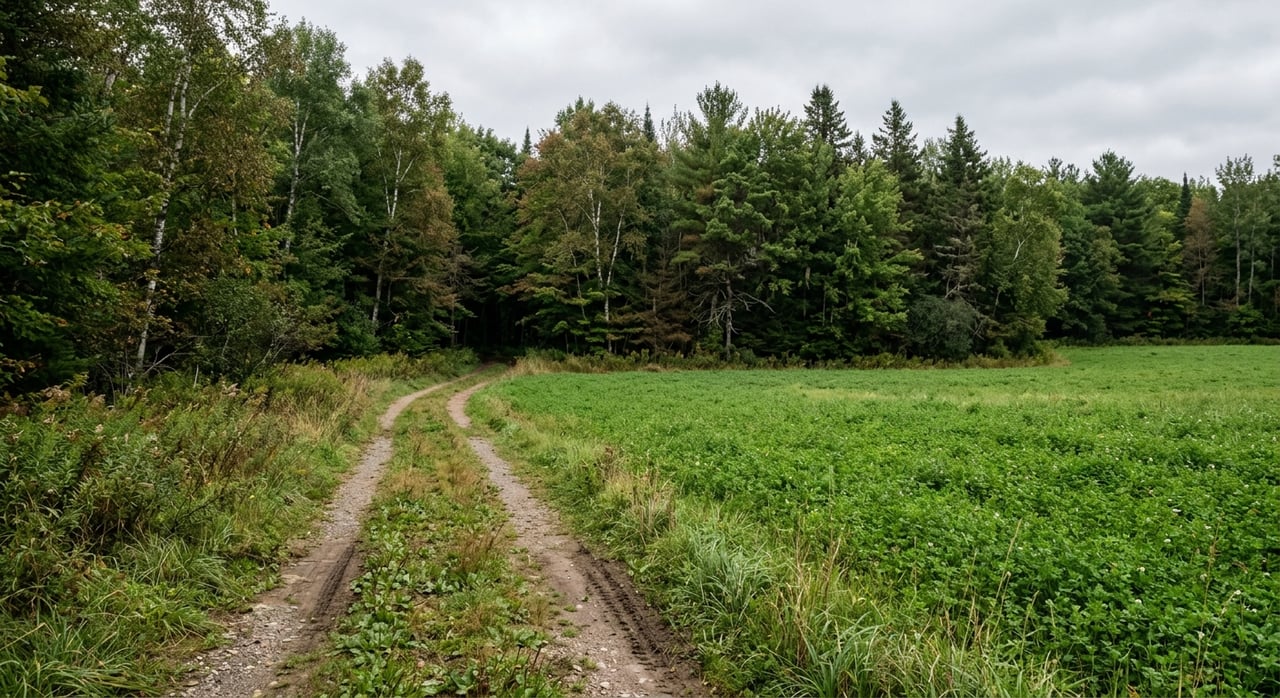
Selling hunting land near Exeland is different from selling a house in town. Buyers are not just looking at acreage on paper. They want to know how the land lays out, how easy it is to access, what kind of habitat it offers, and whether the details are clear enough to buy with confidence. If you are thinking about listing your property, a little prep work can make your land easier to understand and easier to market. Let’s dive in.
Why Exeland hunting land needs a different approach
Land around Exeland sits in a part of Sawyer County where forests and wetlands shape how property is used and valued. According to the county’s Resource Management Plan, wetlands and forestry make up 74% of county land use, and the county forest covers 114,000 acres managed for timber, recreation, and wildlife.
That matters when you sell. In this market, buyers often focus less on tillable ground and more on recreation, access, timber, and habitat. Recent market data also shows a wide range in asking prices, with Sawyer County hunting land on Land.com averaging around $3,400 per acre and current Exeland land listings ranging from small lots to very large tracts with major price differences tied to features beyond raw size.
Start with access
One of the first things buyers notice is how easy it is to get onto the property and move through it. If the entrance is overgrown, the driveway is hard to identify, or interior trails are confusing, buyers may assume the land will be difficult to use.
Before listing, clean up the main entry and make the travel path obvious. If you have a trail network, show which routes lead to stand sites, food plots, open areas, or water features. In a wooded area like Sawyer County, roads and trails are part of normal land management, as reflected in county forestry resources on forest land use and trail systems.
Build a strong map packet
A good land listing should help buyers understand the property before they ever step foot on it. That starts with a clean, organized packet of documents and maps.
Your packet should include:
- Tax parcel information
- GIS mapping
- The recorded deed
- Any plat-book pages that help show nearby roads or physical features
- A survey, if one exists
- Any corner-marking records you have
Sawyer County offers land records, GIS, and document portals, which can help you gather many of these items. Keep in mind that county records are useful, but they are not a substitute for verified boundary work.
Verify boundaries before you market
Few things create more hesitation for land buyers than uncertain boundary lines. If corners are hard to find or past markings are unclear, it is smart to address that before the property hits the market.
The Wisconsin Society of Land Surveyors notes that online GIS only covers a small portion of property records and may not be accurate enough for actual boundary location. The same source says a professional surveyor is required if the survey is related to the sale of a property. If your boundaries are uncertain, this is one of the best places to invest before listing.
Clear boundaries do more than reduce confusion. They also help buyers feel more comfortable walking the property, reviewing maps, and understanding what they are actually purchasing.
Document habitat features buyers care about
A hunting land buyer is usually trying to answer one main question: what does this property offer in real use, not just on paper? That is why habitat details matter.
If your land includes food plots, bedding cover, mast-producing trees, trail systems, water sources, or established stand locations, document them. Take current photos, mark them on a map, and be ready to explain how the land has been used and managed.
According to the NRCS guidance on food plots for wildlife, food plots work best near protective woodland or grassland cover and a water source. Even simple notes about where cover, water, and openings come together can help buyers understand the tract’s hunting and recreational appeal.
Gather timber and management records
In the Exeland area, timber can be a major part of a property’s value story. If your parcel has had a recent harvest, a timber cruise, or any professional forestry input, gather those records early.
Helpful documents may include:
- Timber cruise reports
- Forester notes
- Harvest receipts
- Management plans
- Notes on tree species and stand conditions
The team at My Wisconsin Woods explains that foresters can help with timber inventories, wildlife habitat management, trail development, and management plans. Wisconsin DNR also outlines forest management guidelines that support planning for wildlife habitat, recreation, water quality, and forest products.
If you do not have these records, it may still help to create a simple summary of what you know. Buyers appreciate straightforward information, even if it is basic.
Confirm MFL or FCL status
If your property is enrolled in Managed Forest Law or Forest Crop Law, buyers will want to know right away. This can affect how the land is used and whether public recreation access applies.
The Wisconsin DNR explains that MFL-Open land allows public recreation such as hunting, fishing, hiking, sightseeing, and cross-country skiing. The same source notes that Forest Crop Law land allows public hunting and fishing. If your parcel is enrolled, be ready to share whether it is open or closed, along with any related paperwork.
This is not a small detail. For many buyers, program status can shape how they view privacy, land use, and long-term ownership goals.
Check zoning and future-use questions
Even buyers focused on hunting often ask about future improvements. They may want to know whether a driveway, cabin, or outbuilding could be added later.
Before listing, gather basic zoning and permit information from Sawyer County’s Zoning and Conservation Department. You do not need to overpromise future possibilities. You simply want to be ready with the right place for buyers to verify land-use rules and permit requirements.
That kind of preparation helps your listing feel more complete and reduces back-and-forth once interest picks up.
Be careful with improvements before pricing
It is tempting to spend money right away on extra clearing, new trails, or additional habitat work. Sometimes that helps, but not every improvement adds equal value.
Current market data suggests the Exeland-area land market is active but segmented. Land.com market data for Sawyer County hunting land and broader Exeland listing ranges show that pricing can shift sharply based on access, tract quality, improvements, and buyer appeal. That is why it makes sense to get pricing guidance before making major changes.
A practical first step is reviewing comparable land sales and current competition with a local agent who understands recreational property. In many cases, the goal is not to do everything possible to the land. It is to highlight what is already there in a way buyers can clearly see.
Market the property like a complete file
When buyers shop for hunting land, they often compare several tracts online before setting up a showing. That means your marketing needs to answer questions fast and make the property easy to understand from a distance.
Strong land marketing usually includes:
- Clear aerial and parcel maps
- Boundary information
- Access notes
- Photos of trails, habitat, and key features
- Timber or management details, if available
- Program status such as MFL or FCL
- Basic zoning context for future use questions
This matters because land buyers are already using broad listing channels and land-focused websites to compare properties. If your listing materials read more like a useful property file than a short generic description, you give buyers a better reason to take the next step.
A smart prep plan for sellers
If you want a simple order of operations, start here:
- Clean up the entrance and main access route.
- Gather your deed, tax parcel info, GIS maps, and existing records.
- Confirm whether the boundaries are clear or whether a survey is needed.
- Document habitat features and trail systems with photos and notes.
- Pull timber, forestry, and management records.
- Confirm MFL or FCL status, if applicable.
- Check zoning contacts and permit basics through the county.
- Review pricing before spending heavily on improvements.
This kind of prep does not just make the property look better. It makes the sale process smoother because buyers can evaluate the land with fewer unknowns.
If you are getting ready to sell hunting land near Exeland, the goal is simple: make it easy for buyers to see the property’s value, understand its details, and feel confident moving forward. If you want candid advice on how to position your land and market it effectively, Shannon Hantke can help you put together a smart plan with personal service and broad listing exposure.
FAQs
What should you do first before selling hunting land near Exeland?
- Start by cleaning up access and gathering your core documents, including parcel records, maps, deeds, and any survey information.
Do you need a survey to sell hunting land in Sawyer County?
- If the boundary lines or corners are uncertain, a professional survey can be a valuable step because online GIS may not be accurate enough for boundary location, and WSLS says a professional surveyor is required if the survey is related to the sale of a property.
What features do buyers look for in Exeland hunting land?
- Buyers often focus on access, trail systems, boundary clarity, timber, habitat features, water, food plots, and any information that helps them understand how the land can be used.
Why does MFL or FCL status matter when selling Wisconsin hunting land?
- Program status can affect public access and how buyers view future use, privacy, and ownership goals, so it is important to disclose whether the land is enrolled and whether it is open or closed.
Can buyers build a cabin or outbuilding on hunting land near Exeland?
- Buyers often ask about future improvements, so it helps to direct them to Sawyer County zoning and permit resources for current land-use rules and requirements.
How should hunting land near Exeland be priced?
- Pricing should reflect more than acreage alone and should consider access, habitat, timber, tract quality, and current competing listings in the local recreational land market.